

What is executive coaching, and who is it really for?
When I first heard the term “executive coaching”, I thought it was only for the C-suite; the person engaged in the coaching had to have a “C” in their title.
After a dozen years of coaching CEOs, senior leaders and managers, following on from two decades of my own leadership roles, I have come to regard this as a much broader term.
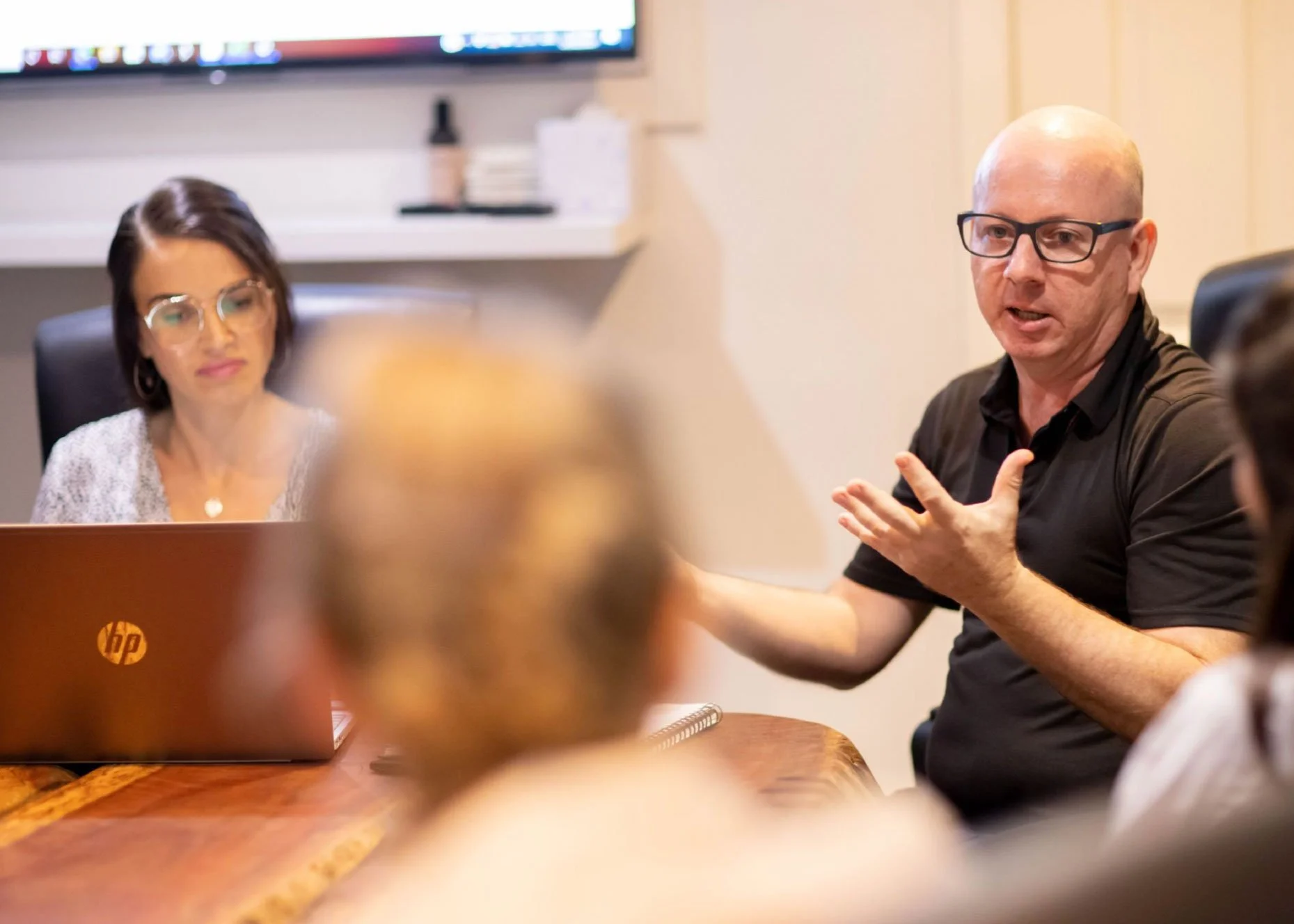
Today, I’d characterise executive coaching as a confidential, one-to-one partnership with someone who has led before. You get a place to think and feel out loud; an executive coach who’ll challenge your thinking and bring perspective to your feeling, while you get better at leading in the role you’re in, or the one you’re stepping into.
What I’ve experienced and learnt is that executive coaching is for far more people than the title suggests. Five kinds of leader I encounter repeatedly, and each of them wants something different. Here are the voices of the five kinds of leader built from a composite of hundreds of executive coaching conversations. The exact individual challenges remain private and confidential.
Who is executive coaching for?
Ambitious, driven people whose career has stalled
The outcome they want is to keep moving up in their career. I hear them say to me, “Dan, I work hard. I deliver, always. Early in my career I was recognised and promoted for this. Now my career seems to be moving sideways, not up.”
Leaders stepping into a new role
The outcome they want is to make a successful move into the new role, starting with the first 90 days. I hear them say to me, “Dan, this is the job I wanted. I want to ensure I build trust with my new team, set and deliver upon goals that will be recognised by my boss and those above. But this role is new and I’m not sure what the best way forward is.”
Leaders who’ve received difficult feedback
The outcome is that they’d like to make sense of the situation and get their confidence back. I hear them say to me, “Dan, I really don’t understand what happened and what people want. I’m at a loss what to do.”
Founders who suddenly have a team to lead
Their early -stage success has led to a growing team, and the outcome they want is a rapid upskilling on what it takes to lead people, keeping the operating system humming and the business scaling. I hear them say to me, “Dan, you know I feel one day like an imposter and on the next completely frustrated with all the people issues going on in the business. Can you help me out?”
CEOs and C-suite leaders who need someone to think with
What CEOs and C-suite leaders have learnt is that the top is lonely and it’s hard to find someone independent and objective to talk to. What they want is a confidential thinking partner, and someone in their corner. I hear them say to me, “Dan, I need someone to help me work through the big issues, challenge my thinking, and be there as someone I can turn to for trusted advice and support.”
What actually happens in executive coaching?
Every executive coaching engagement, I have found to be unique. It must be, as no two individuals are the same. As a coach, there is a level of listening that takes place beyond words or prompts.
Deeper listening picks up the not only future aspirations, but also underlying concerns and fears, behavioural patterns, fixed judgements, and go-to plays. Its aim is to hear the whole person in all their many life and work identities and mirror that authentically back to the leader to support their way forward.
Deeper listening takes time and my leadership coaching engagements work well over six monthly sessions. Many leaders request an engagement that goes into years.
If one of those voices sounds like yours, here’s how I approach executive coaching (/executive-and-personal-coaching/).
Frequently asked questions
Is executive coaching only for CEOs?
That is what I assumed when I first heard the term. Plenty of the leaders I coach don’t have a “C” in their title. They’re senior leaders stepping up, founders learning to lead people, and managers working through hard feedback. CEOs are part of it too.
How long does executive coaching take?
Most of my engagements run for six to nine months. That’s long enough for new habits to hold under real pressure, and short enough to stay focused on what you came for.
What’s the difference between executive coaching and leadership training?
Leadership training teaches a group the same material, usually over a set number of days. Executive coaching works one-to-one on your role, your team and the decisions in front of you, over months.

About the author
Dan Wright is the founder of Thryve and an EMCC Senior Practitioner accredited individual and team coach with 30+ years leading inside real organisations. He works with founders, CEOs and leadership teams across Australia from his base in the Scenic Rim, Queensland.